Russia has been the single largest destination for Indian medical students for over five decades. Its government medical universities are state-funded, state-regulated and charge no donation or capitation fee whatsoever — the published tuition is the entire tuition.
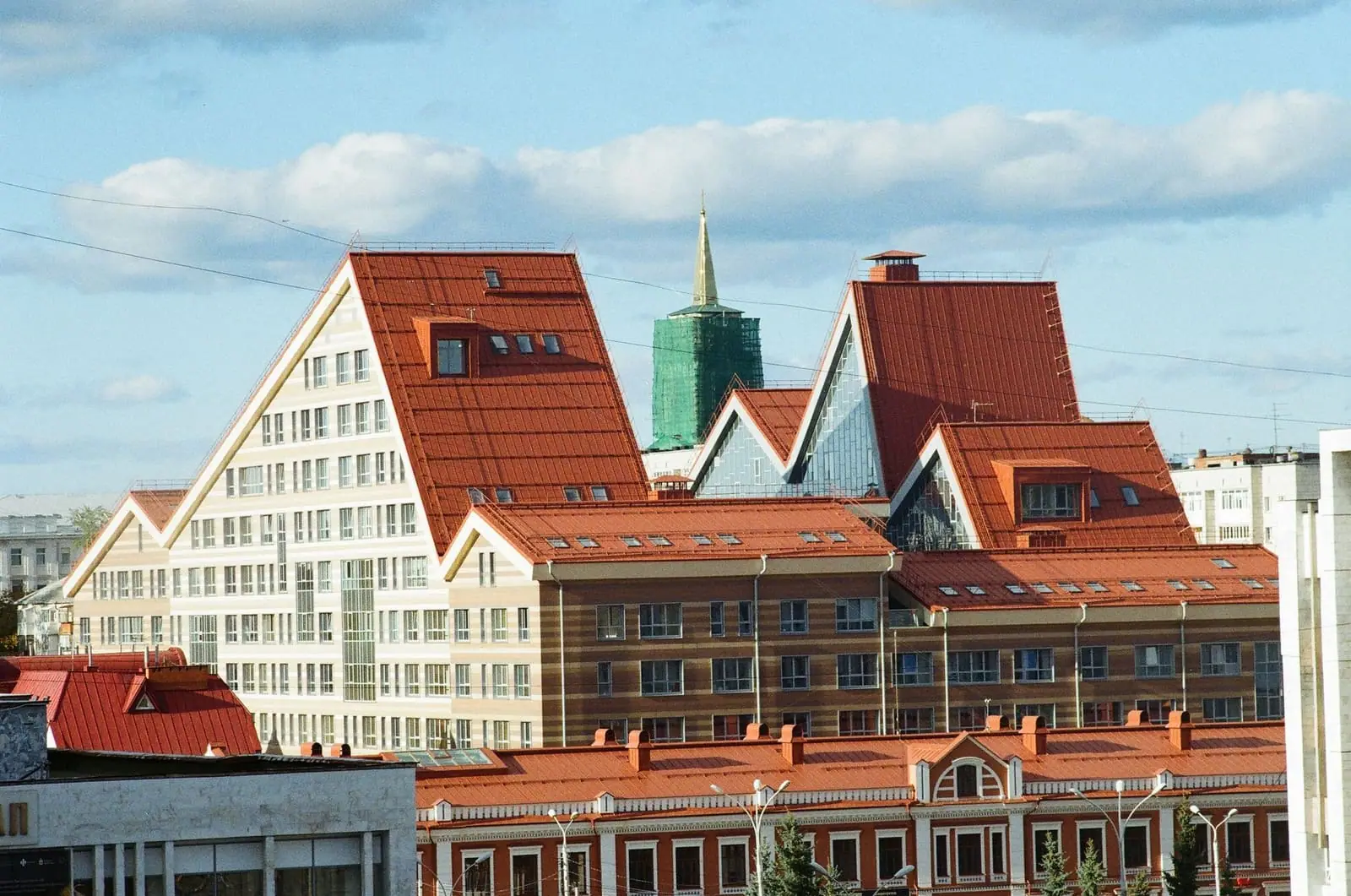
Russia — photograph of the country, not of a specific campus
Total course cost from₹17.83 L
Course duration6 Years
Monthly livingUSD 100 – 150 / month
ClimateCold winters; southern and Volga campuses are considerably milder
LanguageEnglish medium; basic Russian taught in first year
Overview
Why Indian students choose Russia
Russia has been the single largest destination for Indian medical students for over five decades. Its government medical universities are state-funded, state-regulated and charge no donation or capitation fee whatsoever — the published tuition is the entire tuition.
Four universities make up the Russian lineup: North Caucasian State Academy in Cherkessk, Ingush State University in Magas, Kemerovo State Medical University in western Siberia, and Kazan State Medical University in Tatarstan. Two sit in the mild northern Caucasus, one in Siberia and one in a two-century-old university city on the Volga — which gives real choice on climate and cost.
This is our value band. Russian medical education is six years including a one-year clinical internship, delivered in English for international students, attached to large state hospital networks that produce the patient volume behind the clinical training.
The teaching itself is weighted towards practical skill rather than recitation. The academic year runs in two semesters — September to January, then February to June — and the universities in our lineup are used to teaching international cohorts, with faculties that include practising clinicians and active research staff.
There is one thing about Russia that families are routinely misled on, so we will say it plainly. Some Russian medical colleges run genuinely bilingual programmes, where the early years are in English and the clinical years shift into Russian. That is not what we place students into, and we put the medium of instruction for every year of the course in writing before you commit.
Tradition. Quality. Excellence.
Russia · USD 100 – 150 / month · Cold winters; southern and Volga campuses are considerably milder
Advantages
What Russia gives you
Tradition. Quality. Excellence.
Large number of teaching hospitals
Substantial state hospital systems attached to each university — this is what produces the patient volume and case variety.
High quality education at affordable fees
State-regulated tuition with no donation and no capitation at any stage. Ingush State completes at approximately ₹15.91 lakh across six years including living costs.
Experienced faculty & practical training
Long-established MBBS programmes with faculty used to teaching international cohorts, weighted towards practical training in the later years.
Safe & student-friendly environment
Secure campuses in cities with established Indian student communities and Indian mess facilities.
Great value for money
The lowest total six-year cost of any destination in the portfolio sits in this group.
Strong global recognition
WHO listing and World Directory of Medical Schools entries support licensure pathways well beyond India.
Research and exchange culture
Russian medical universities run active research institutes and long-standing exchange arrangements with European and Asian institutions, which students can join during the degree.
No entrance exam, no language test
There is no university entrance examination and no IELTS or TOEFL requirement. Admission runs on Class 12 marks, NEET qualification and documentation.
Indian food, Indian seniors, and a hostel that expects you.
Living cost in Russia: USD 100 – 150 / month
Life in Russia
What living in Russia is actually like
Food, safety, weather, money and getting around — the questions families ask on the first call, answered before you have to ask them.
Hostels on campus
International students are housed in university dormitories with double or triple sharing. Rooms come furnished — bed, mattress, bedding, desk, chair, wardrobe — with centralised heating, a communal kitchen, laundry and a reading area. Most campuses have a medical point and a shop within the block.
Indian mess
Most of the universities in our lineup run a dedicated Indian mess for their Indian cohort, serving vegetarian and non-vegetarian food. Where a mess is not on campus, Indian eateries sit within walking distance, and hostel kitchens let students cook their own.
Security
Dormitories run 24-hour security with surveillance, controlled entry, fire alarms and marked emergency exits, and they are inspected on a routine cycle. Universities also brief international students on emergency and evacuation procedure.
Administrative support
The international office at each university handles residency registration, visa extension and the paperwork that goes with living in Russia for six years — the part first-year students most often underestimate.
Climate
Russia is not one climate. Winters in the Volga cities and the northern Caucasus are far milder than the Siberian stereotype, and summers are genuinely warm. Kemerovo is the cold end of our lineup; Cherkessk, Nalchik and Magas are the mild end.
Language
The degree is taught in English. Russian is taught alongside it from the first year, and it is not decoration — you need it to take a history from a patient during clinical rotations, and students who take it seriously get far more out of hospital time.
Monthly living cost
USD 100 – 150 a month covers day-to-day living in the cities in our lineup. It is the lowest of any destination in the portfolio.
The academic year
Two semesters, September to January and February to June, with a winter break in January and a long summer vacation. Students commonly fly home once a year, and the route is direct from most Indian metros.
Where You Would Live
The cities you would choose between
Campus is where you study. The city is where you spend the other six years.
Cherkessk · Magas
The northern Caucasus
North Caucasian State Academy and Ingush State University sit in Russia's mountainous south. Winters here are markedly milder than anywhere north of them, the pace is quieter than a metro, and this pair carries the lowest total cost in the entire portfolio. The region is multi-ethnic and substantially Muslim, which in practice means halal and vegetarian food are ordinary rather than something to hunt for.
Kemerovo
Siberia
Kemerovo State Medical University sits in the Kuzbass industrial region. It is the coldest posting in our lineup and the one that demands the most weather preparation — but it is also a serious teaching institution attached to a large regional hospital network, and its costs are among the lowest we publish.
Kazan
Tatarstan
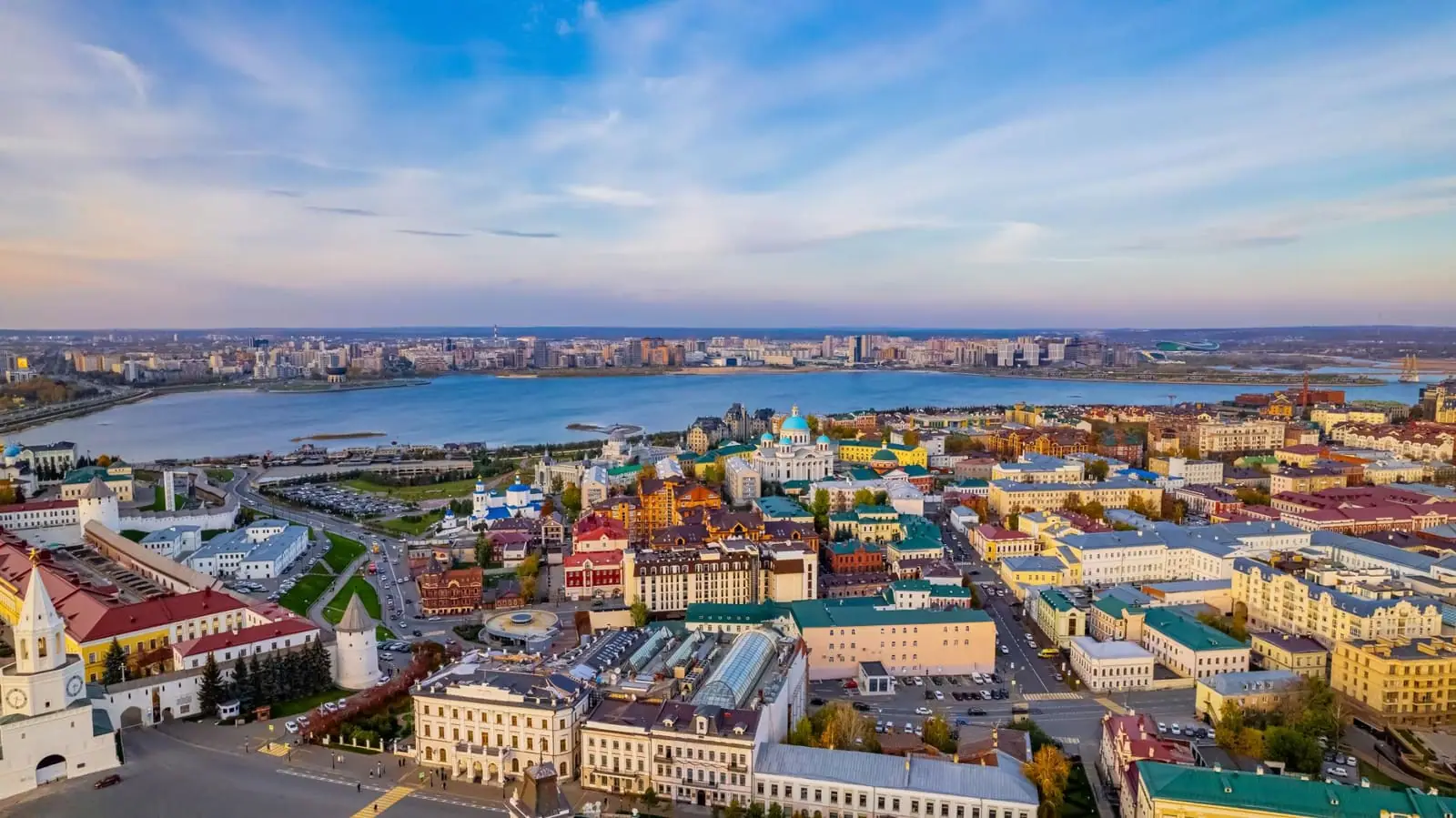
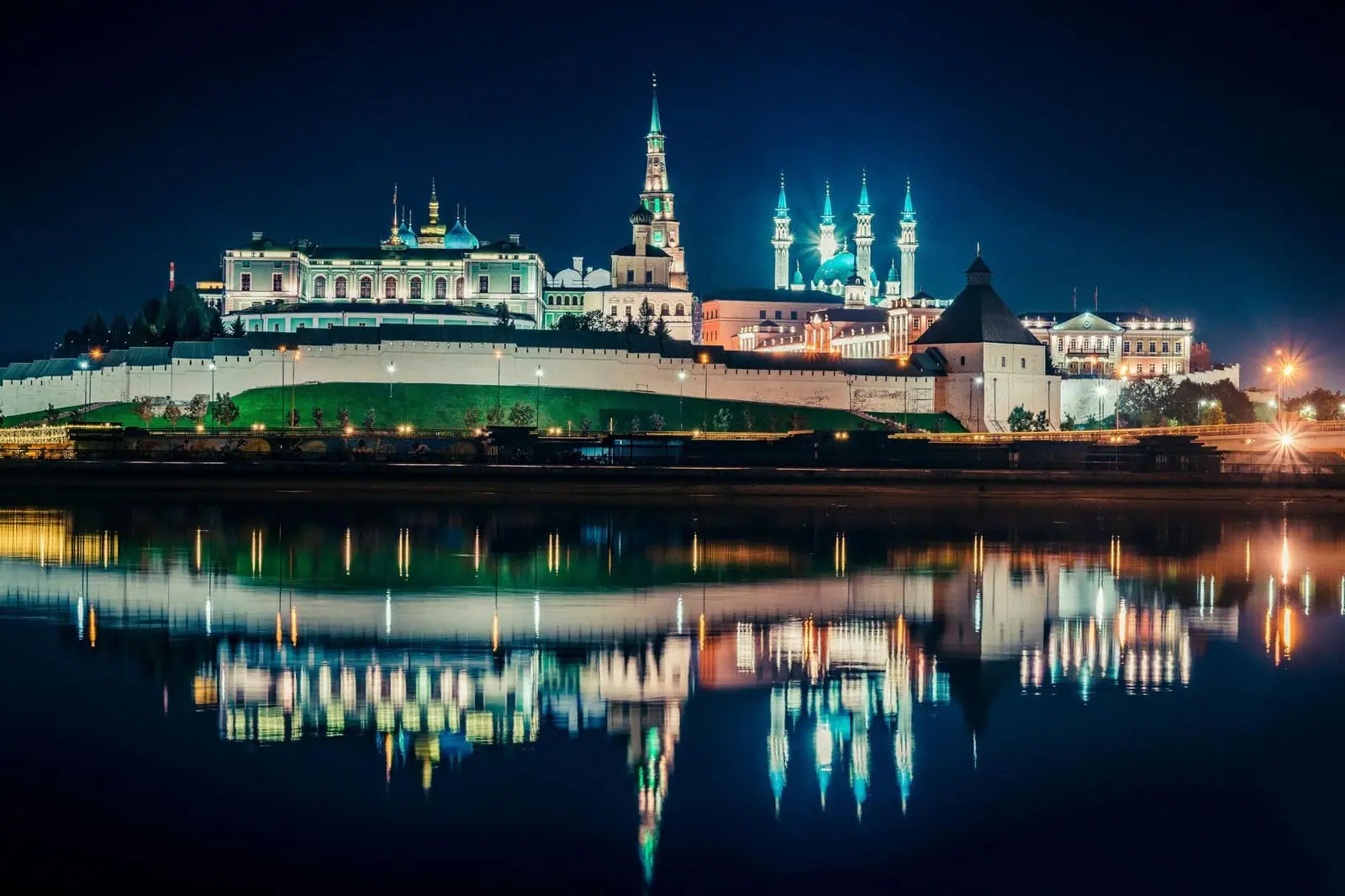
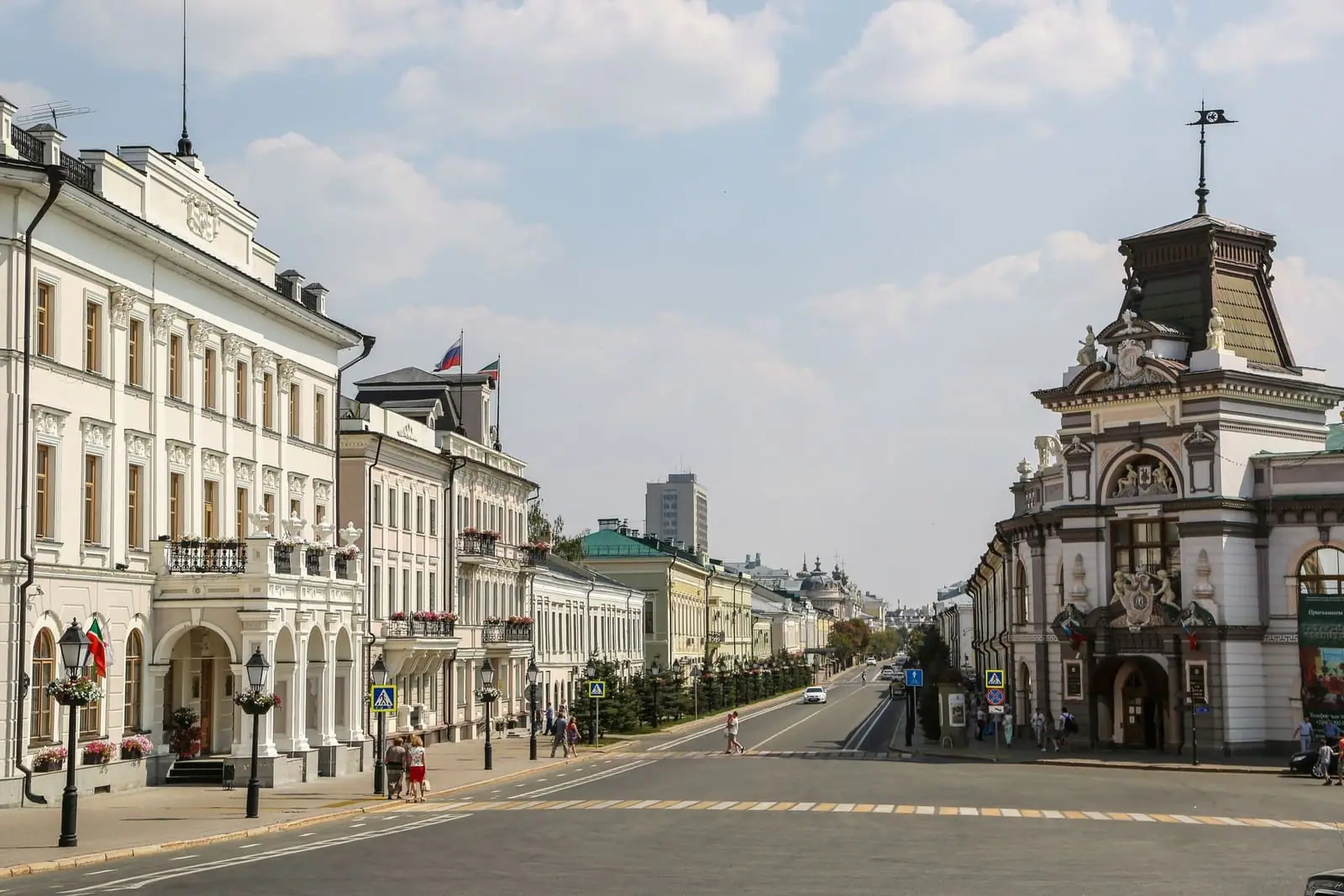
Kazan is one of Russia's great university cities, with an academic tradition running back more than two centuries, and Kazan State Medical University is the third-oldest medical school in the country. It is a genuinely mixed city, Tatar and Russian, with a preserved kremlin and a large student population — and living costs well below Moscow or St Petersburg.
Partner Universities
Our 4 universities in Russia
Every figure below is taken directly from our official Admission Portfolio for 2026-27.
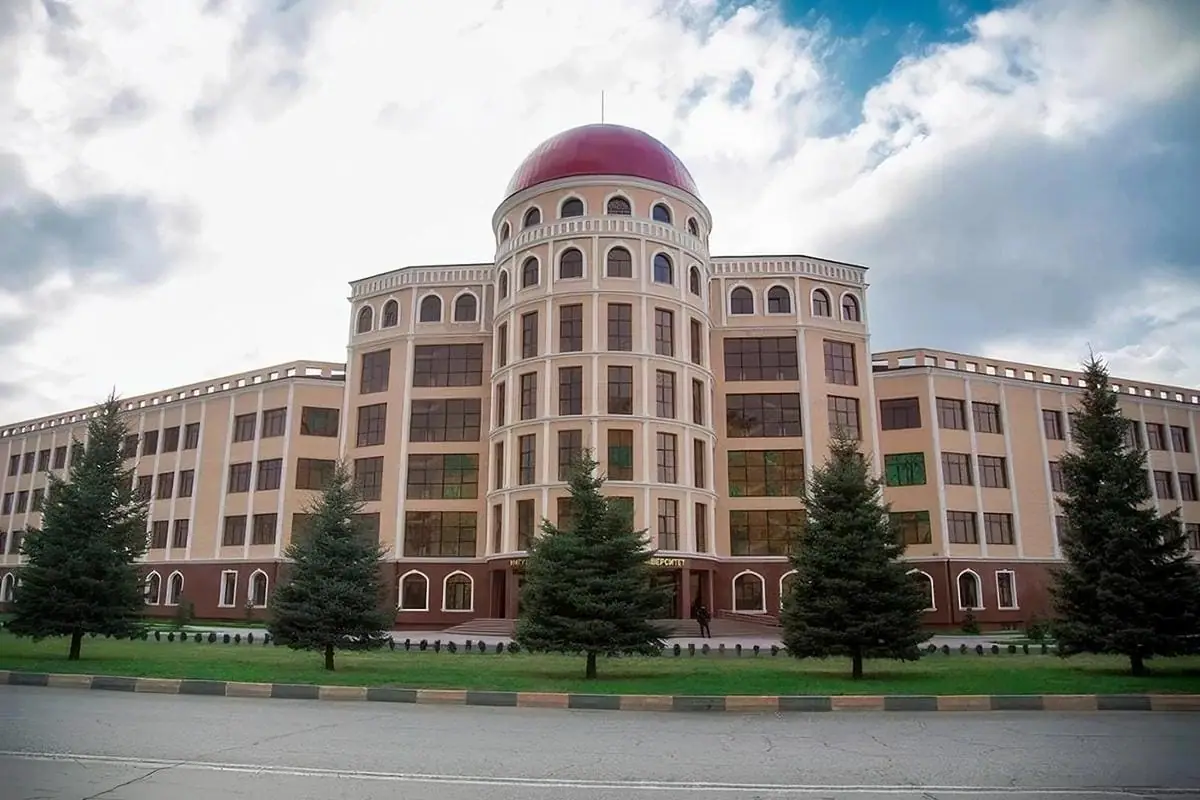
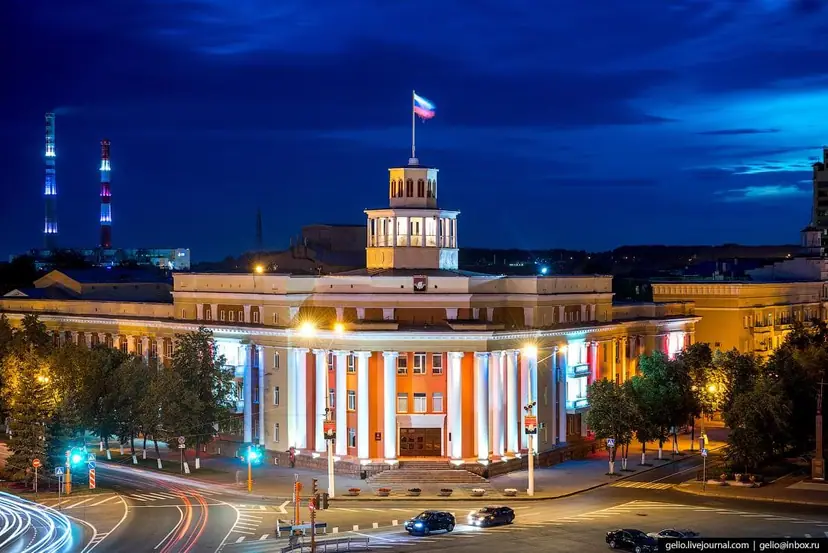
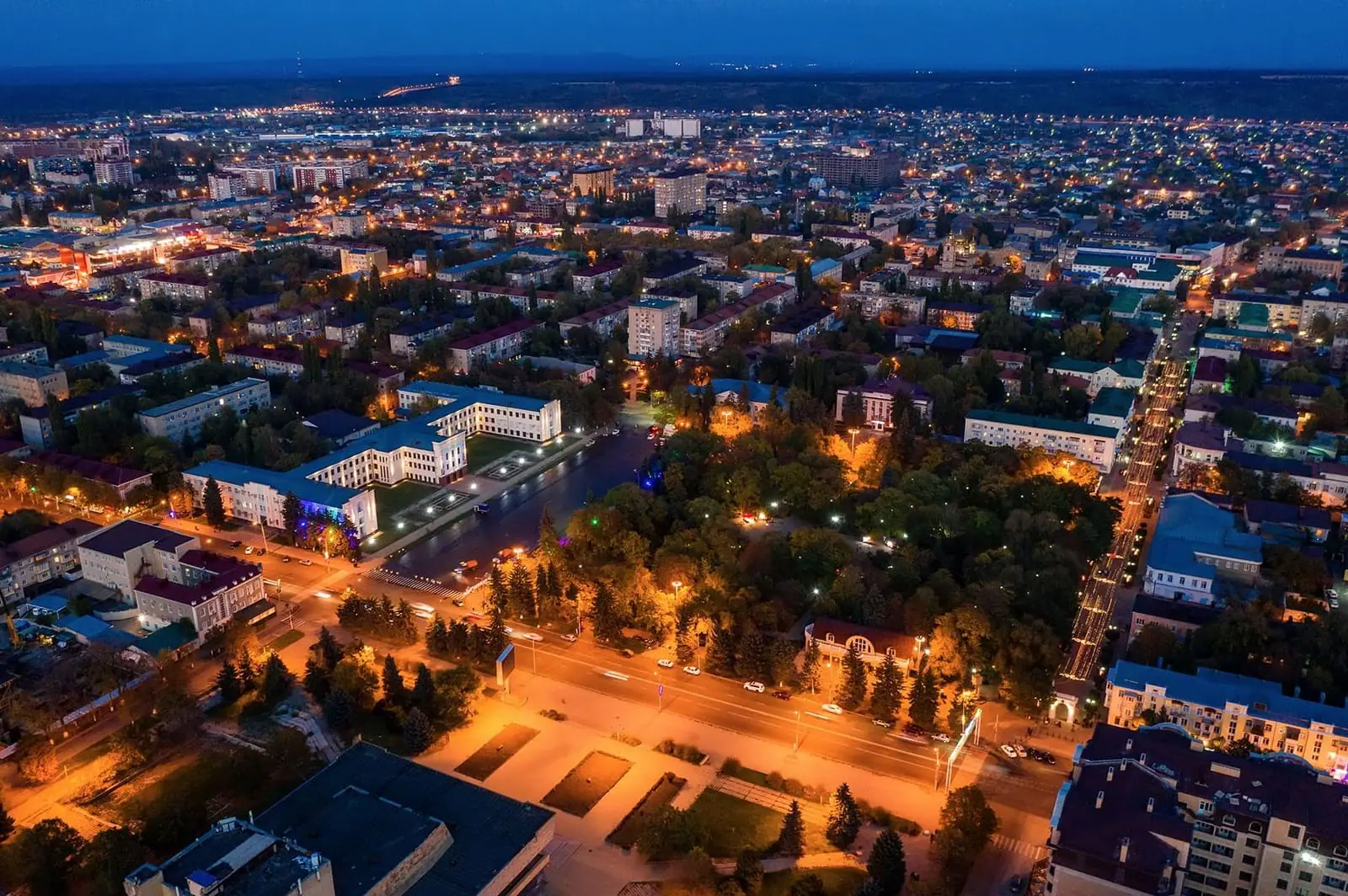
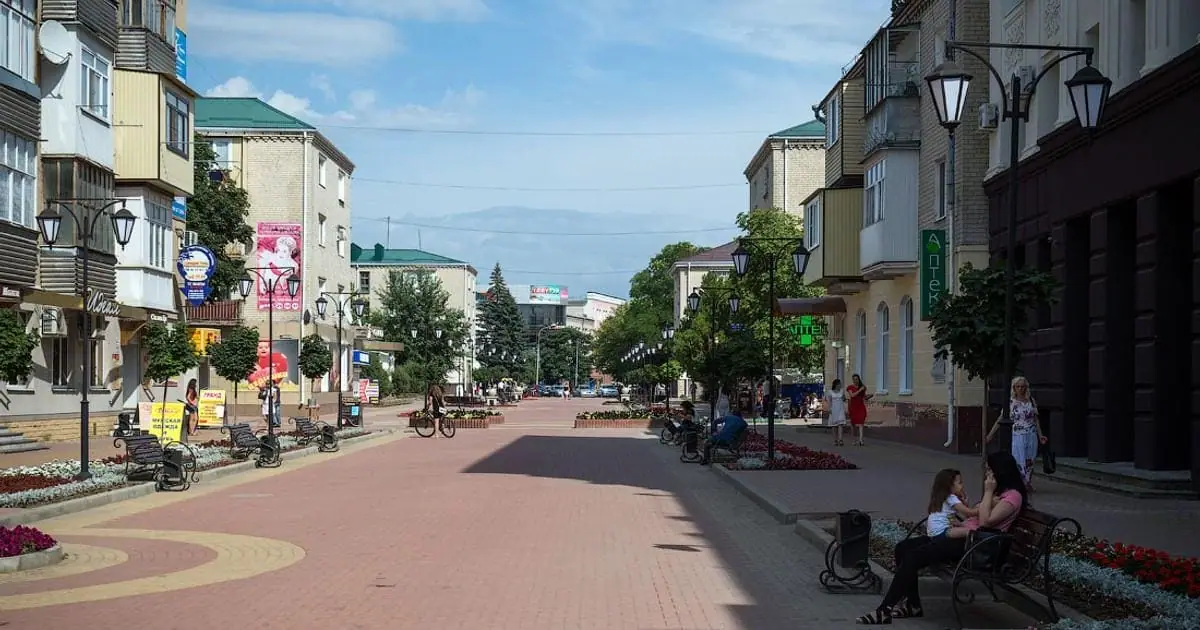
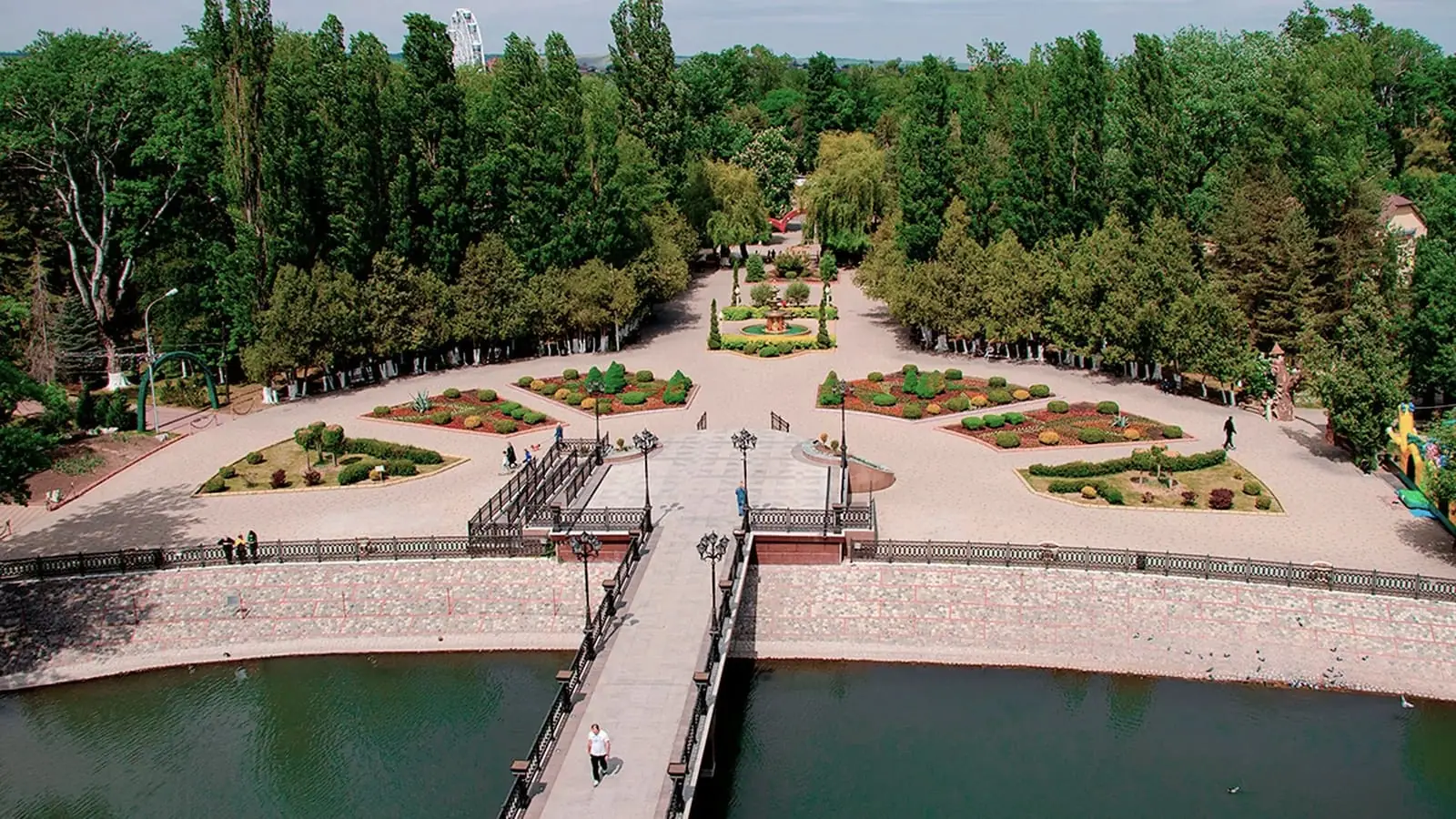
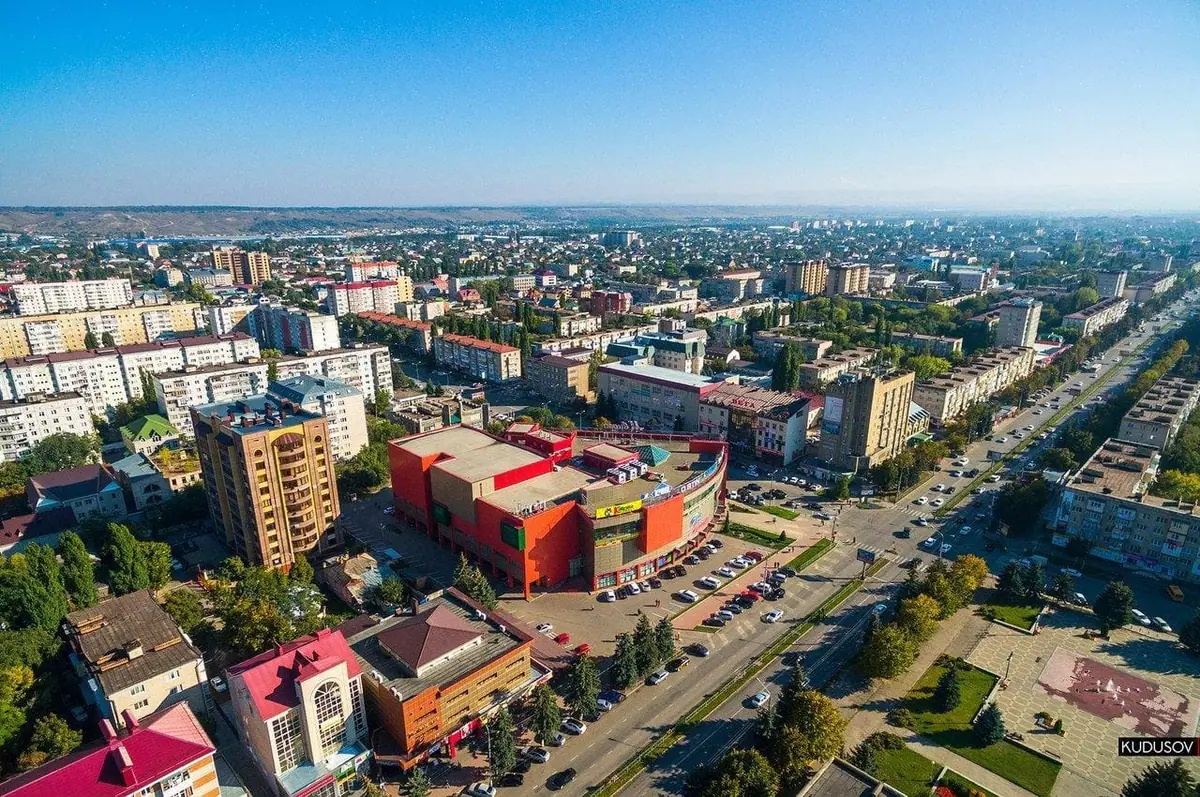
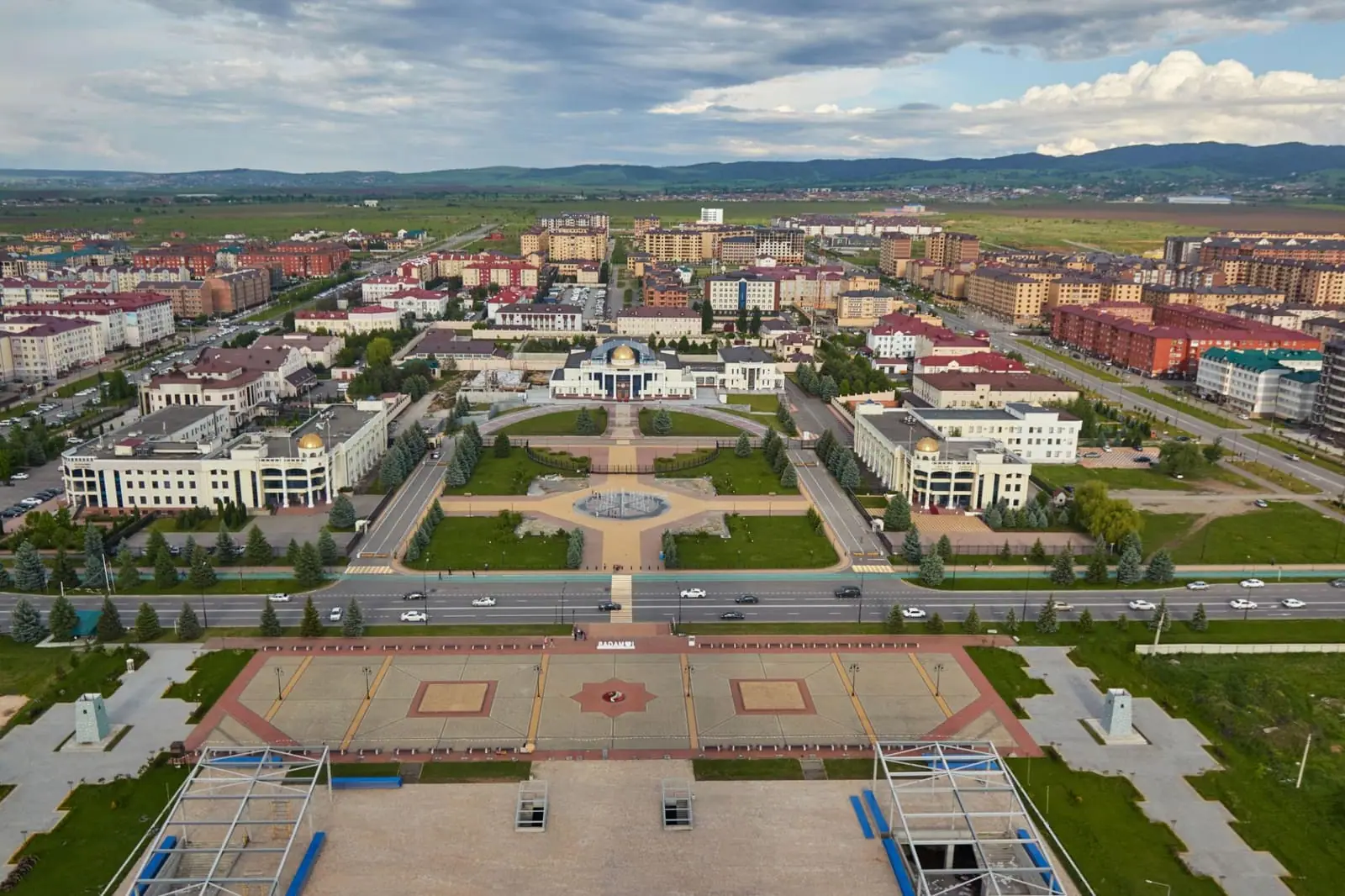
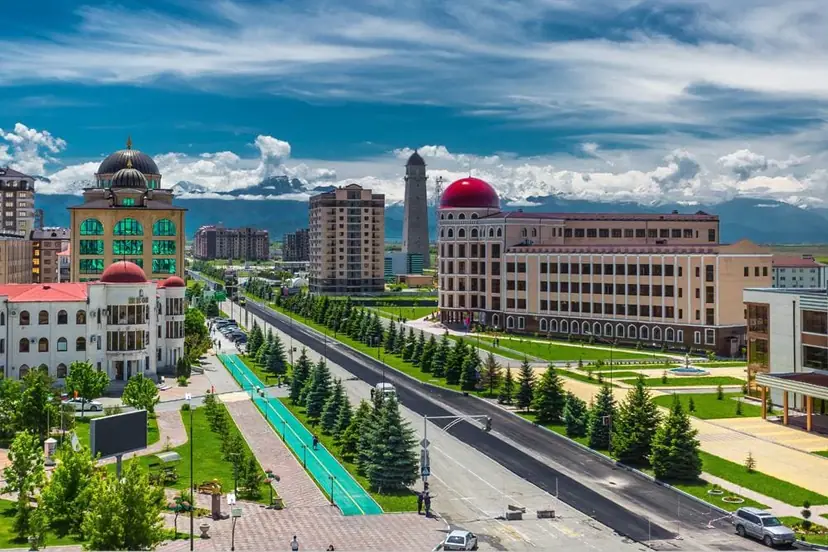
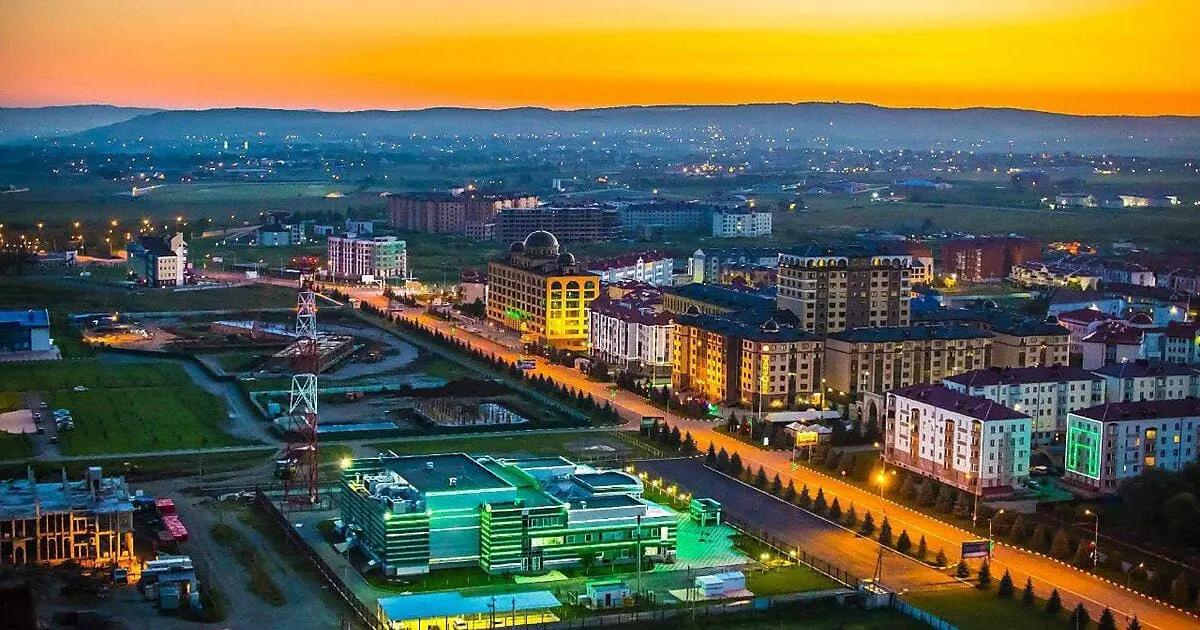
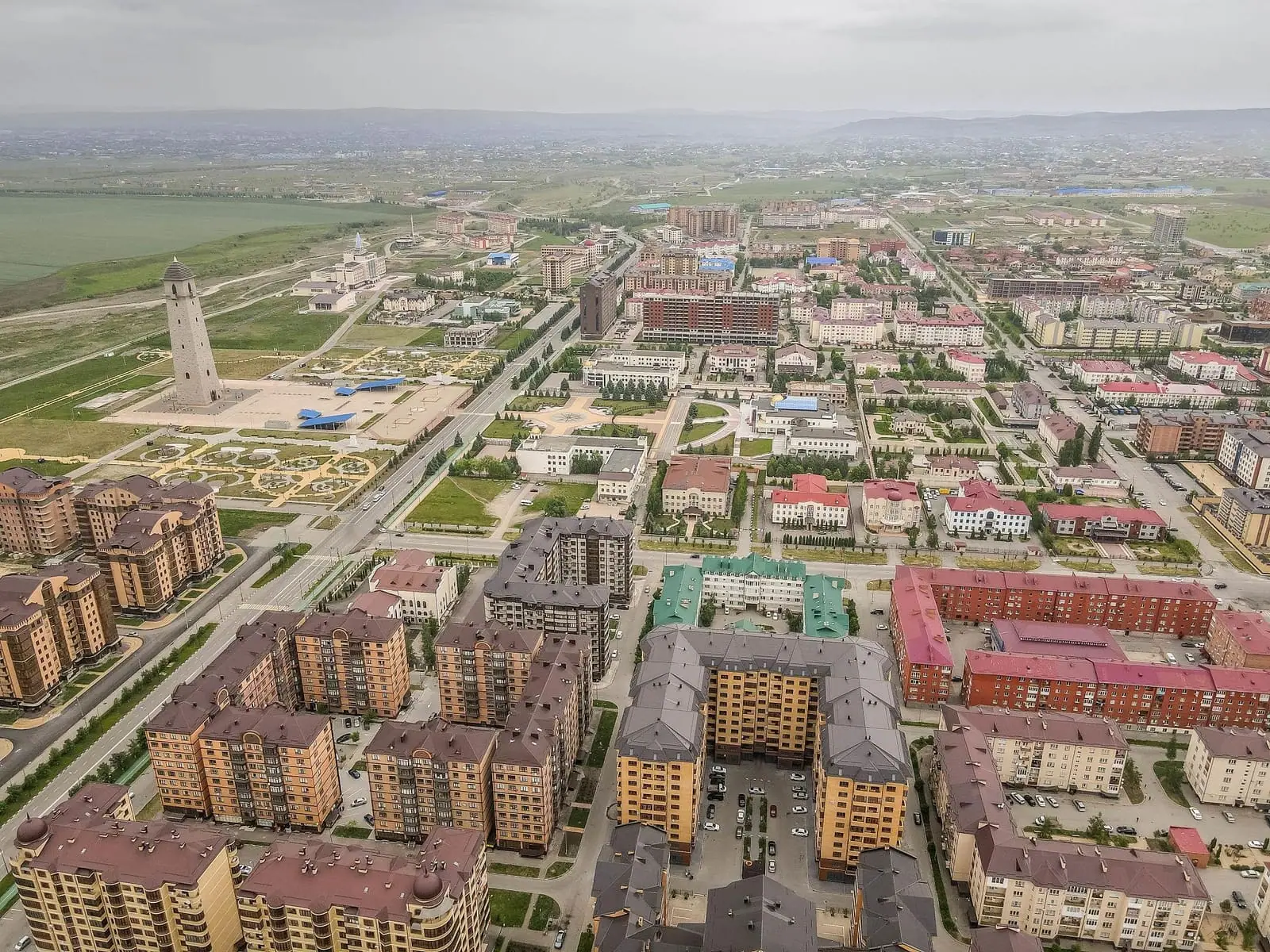
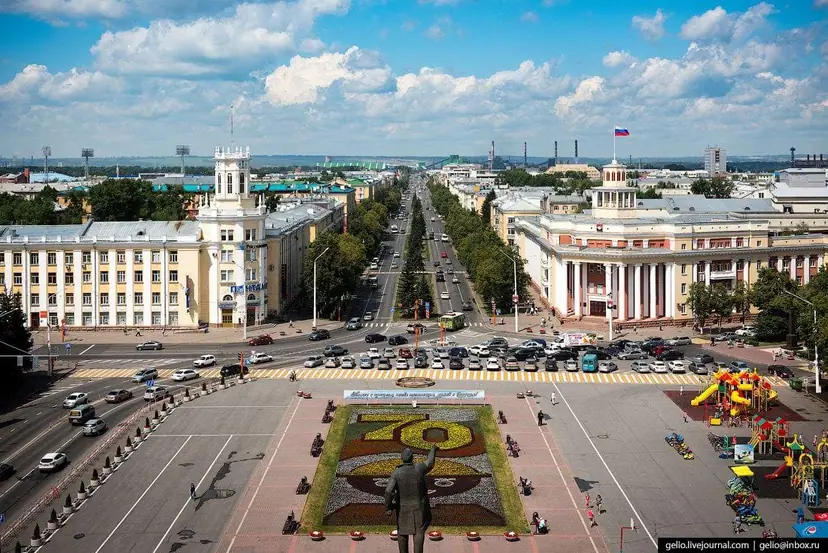
Not the campus — the streets around it. All 14 photographs below are our own, taken in the 4 cities we place students into.
Cherkessk
4 photographs
Cherkessk at dusk
City streets
City parks
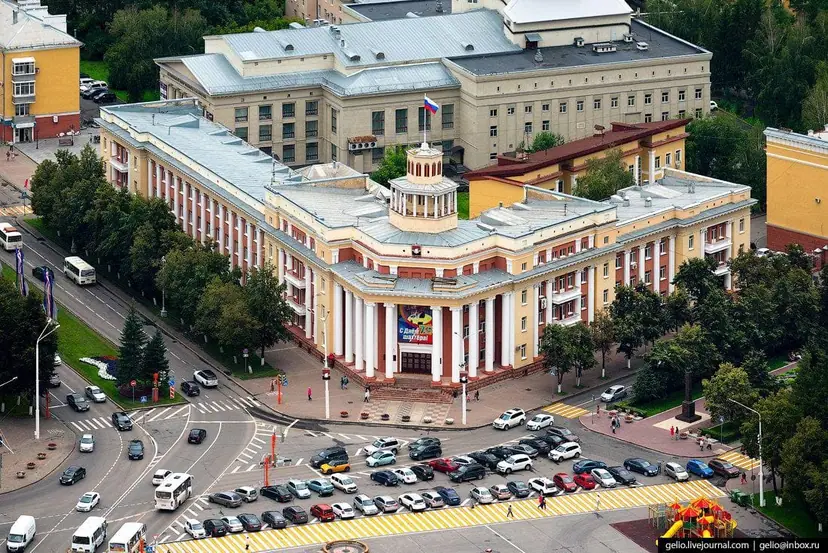
From above
Magas
4 photographs
A planned city
City centre
Magas at dusk
From above
Kemerovo
4 photographs
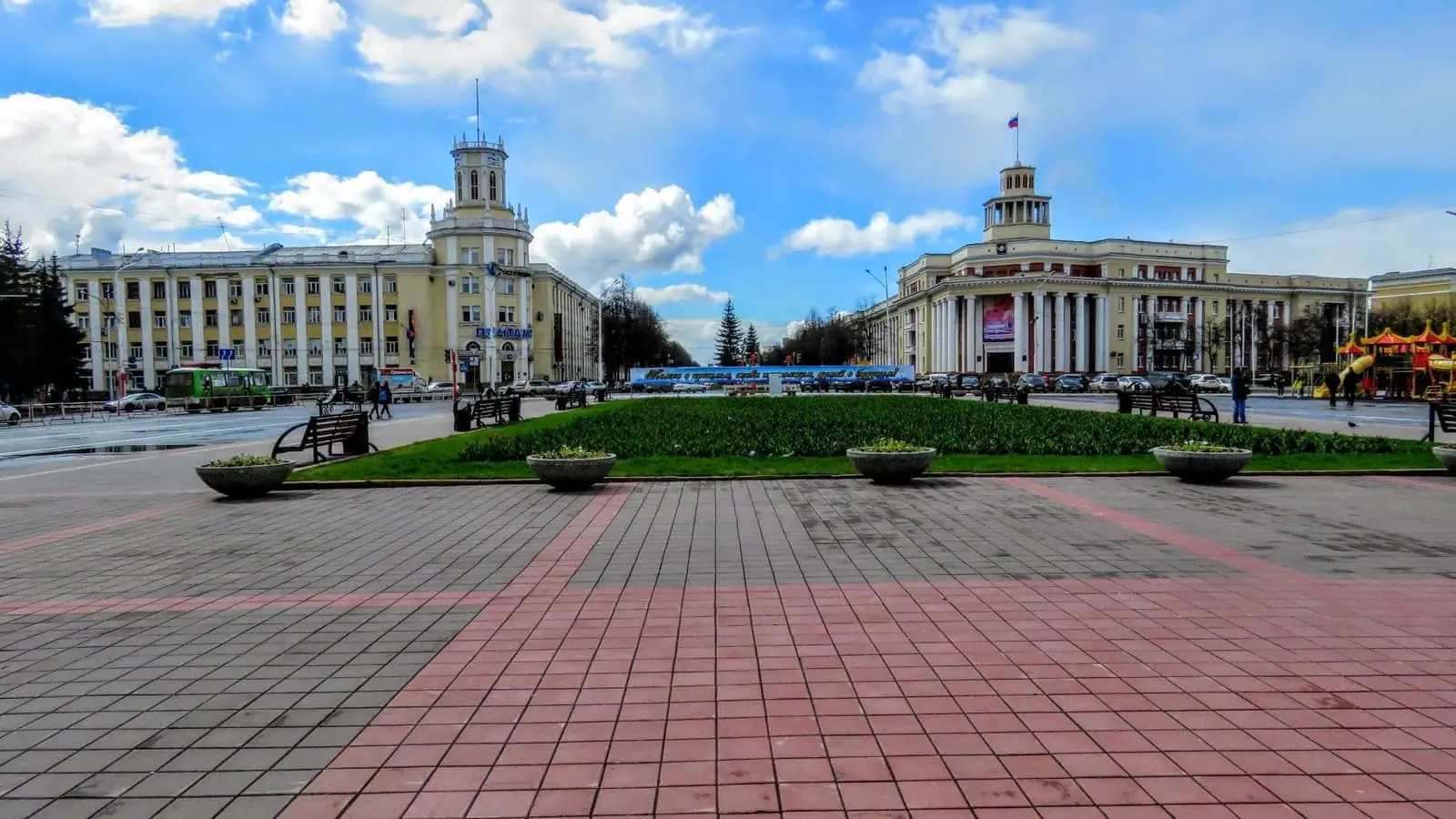
The city at night
The main square
City centre
Civic quarter
Kazan
2 photographs
The Kremlin at night
The city
Our own photographs of Russia. Nothing here is stock, and nothing is captioned as anywhere it is not.
The universities
The campuses in Russia
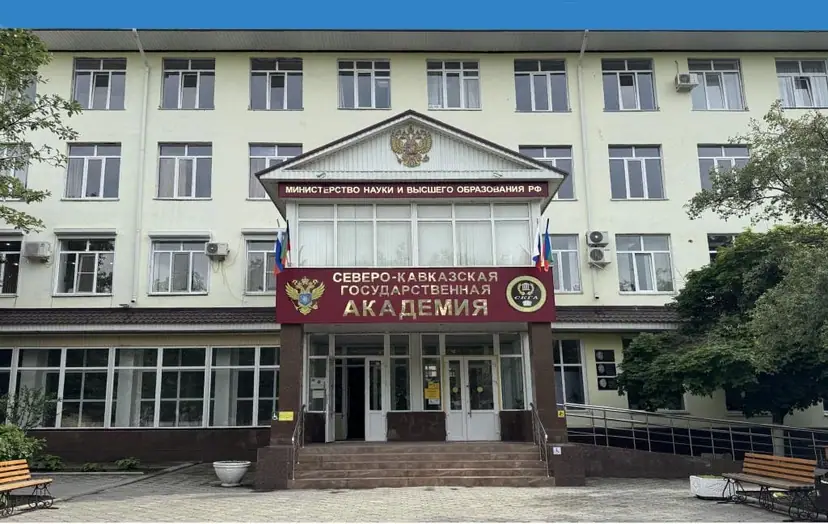
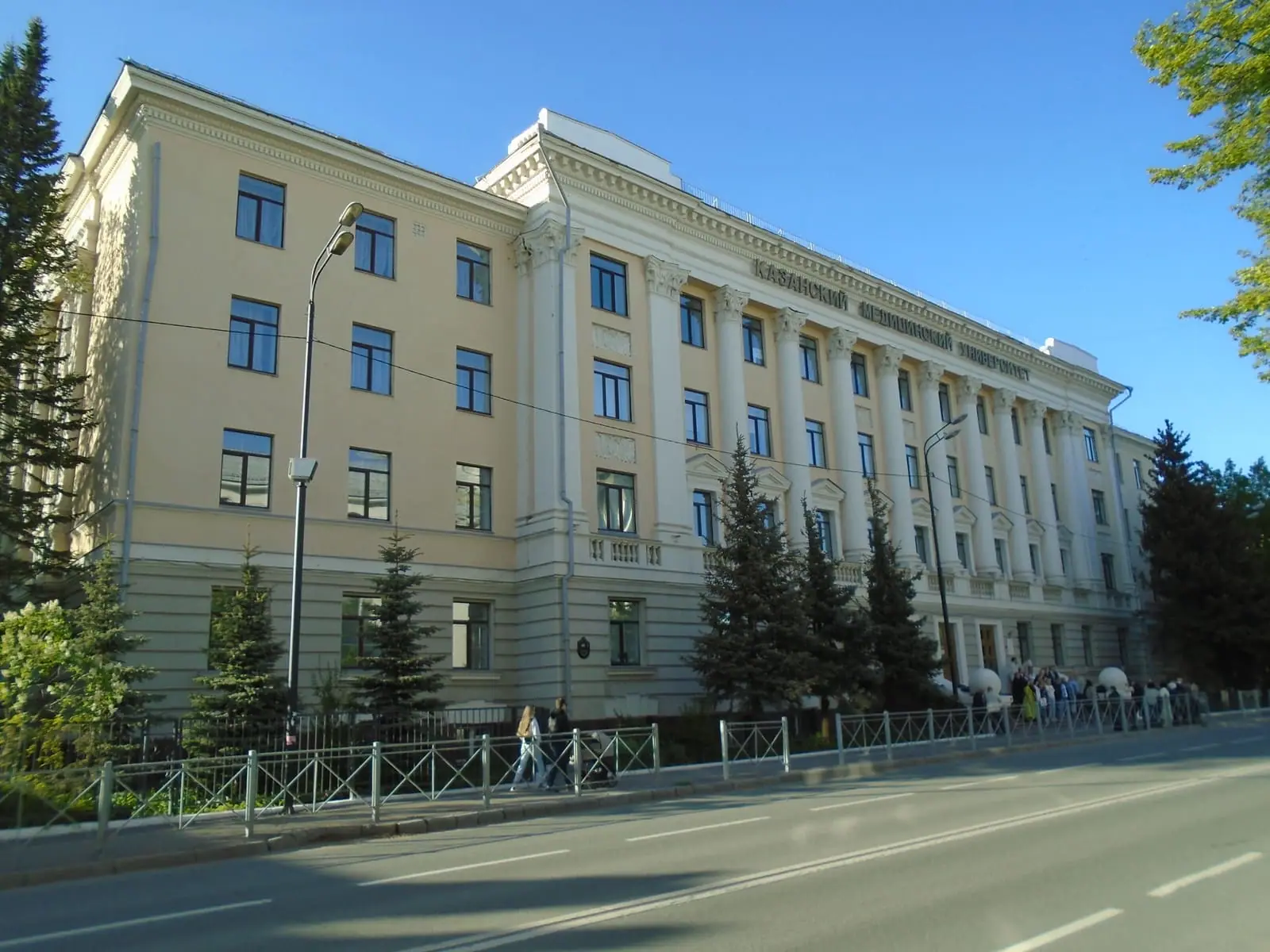
Photographs of the actual buildings, not an artist's impression. Tap any one for its fees, intake and full gallery. We hold our own photographs of 3 of the 4 we place into here; the other one is on the way.
Invitation, visa, tickets, airport pickup and registration — in that order
Admission Process
Getting to Russia, step by step
Six to eight weeks from your first call to boarding the flight.
Step 1
Talk to an Expert
A free, no-obligation counselling session with a doctor-led advisor. We assess your NEET score, budget and goals honestly — including telling you if going abroad is the wrong call for you.
Step 2
Pick the Right University
You receive a personalized shortlist with a full side-by-side comparison of fees, duration, intake, FMGE outcomes, climate and safety. You choose; we advise.
Step 3
We Handle All the Paperwork
Application, invitation letter, admission letter, apostille, attestation, translation and the complete visa file — prepared, checked and submitted by our team.
Step 4
Your Seat is Confirmed
Fees paid through official university channels only, seat confirmed in writing, travel booked and a full pre-departure briefing delivered to you and your parents together.
Step 5
You Land — And We Are Still There
Airport pickup, hostel allotment, university registration, residence permit and a 24×7 line that stays open for the entire six years of your degree.
Eligibility
Do you qualify for Russia?
Academic qualification
Class 12 with Physics, Chemistry and Biology
Minimum marks
50% in PCB for General category; 40% for SC, ST and OBC
NEET
Mandatory — a qualifying percentile is enough, no rank required
Age
17 years or older on the date of admission
IELTS / TOEFL
Not required at any university in our portfolio
Passport
Valid passport needed before the application is filed
Upper age
Most Russian universities set an upper limit around 25 — confirmed per university
Entrance exam
None. Admission runs on documents and NEET qualification
Clear FMGE or NExT, complete registration and practise in India, with the full domestic PG route open through the national entrance system.
Postgraduate study in Russia
Graduates can continue directly into ordinatura — Russian clinical residency — or into a research track, at fees that stay in the same affordable band as the undergraduate degree.
International licensing
WHO listing and World Directory of Medical Schools entries support ECFMG certification and the USMLE route, and PLAB for the UK, each subject to the relevant body's current requirements.
Research, teaching and industry
Beyond clinical practice, graduates move into research institutes, academic teaching posts, public health administration and the pharmaceutical sector.
We would rather talk you out of it than place you badly.
The honest case against, on the same page as the case for
Read This Before You Decide
What to weigh honestly about Russia
Every destination has trade-offs. We publish ours, because the families who hear them at the start are the ones who do not get a surprise in year three.
Confirm the medium of instruction, in writing, for all six years
This is the most common misrepresentation in the Russia market. Some colleges teach three years in English and then move clinical subjects into Russian, and agents present that as harmless because 'you will pick up the language'. Ask for the medium of instruction year by year, in writing, from any consultant you speak to — including us.
The winter is real
For students placed at the northern and Siberian campuses, the first winter is a genuine physical adjustment and some students get ill during it. It is manageable with the right clothing and it passes, but it should not be a surprise.
Language and culture take time
Russian uses a different alphabet and the culture is not close to home. The first few months involve real friction — administration, shopping, ordinary conversation. Universities run language classes precisely because of this.
FMGE or NExT is mandatory
A Russian medical degree qualifies you to sit the Indian licensing exam, not to skip it. Build exam preparation into your study plan from the early years rather than starting in the final one.
Routine and food change
Meal times, daylight hours and sleep patterns all shift. Students adapt, but the first term is a genuine adjustment, and access to an Indian mess makes a bigger difference than most families expect.
Regulatory note for Indian students
NMC eligibility is stated as per the latest available regulations. Students must verify a university's current NMC status before taking admission — we confirm this in writing during counselling.
Eligibility to sit FMGE or NExT, and to register and practise in India, is determined by the National Medical Commission’s regulations as they stand when you take admission and when you graduate — not by anything stated on this page. Always check the current position at nmc.org.in. We confirm it in writing for your specific university before any payment is made, and we do not guarantee recognition, examination results, licensure or an internship placement — those are not ours to give.
The degree is halfway. Registration in India is the finish.
FMGE and NExT preparation planned from the third year, not the sixth
Questions & Answers
MBBS in Russia — common questions
Yes, from an NMC-recognized university and once you clear FMGE or NExT on your return. Russian government medical universities are WHO-listed and carry World Directory of Medical Schools entries, which also supports licensure routes beyond India. We confirm the current recognition position for the specific university you are considering, in writing, before you pay.
Tell us your NEET score and budget. We will confirm which Russia universities you are eligible for, what the complete cost looks like, and what happens next — in one honest call.