China is our infrastructure and technology band. Its medical universities operate at a scale and level of investment few other destinations in this price range can match — advanced simulation laboratories, large internationally affiliated hospitals and a serious research ecosystem.
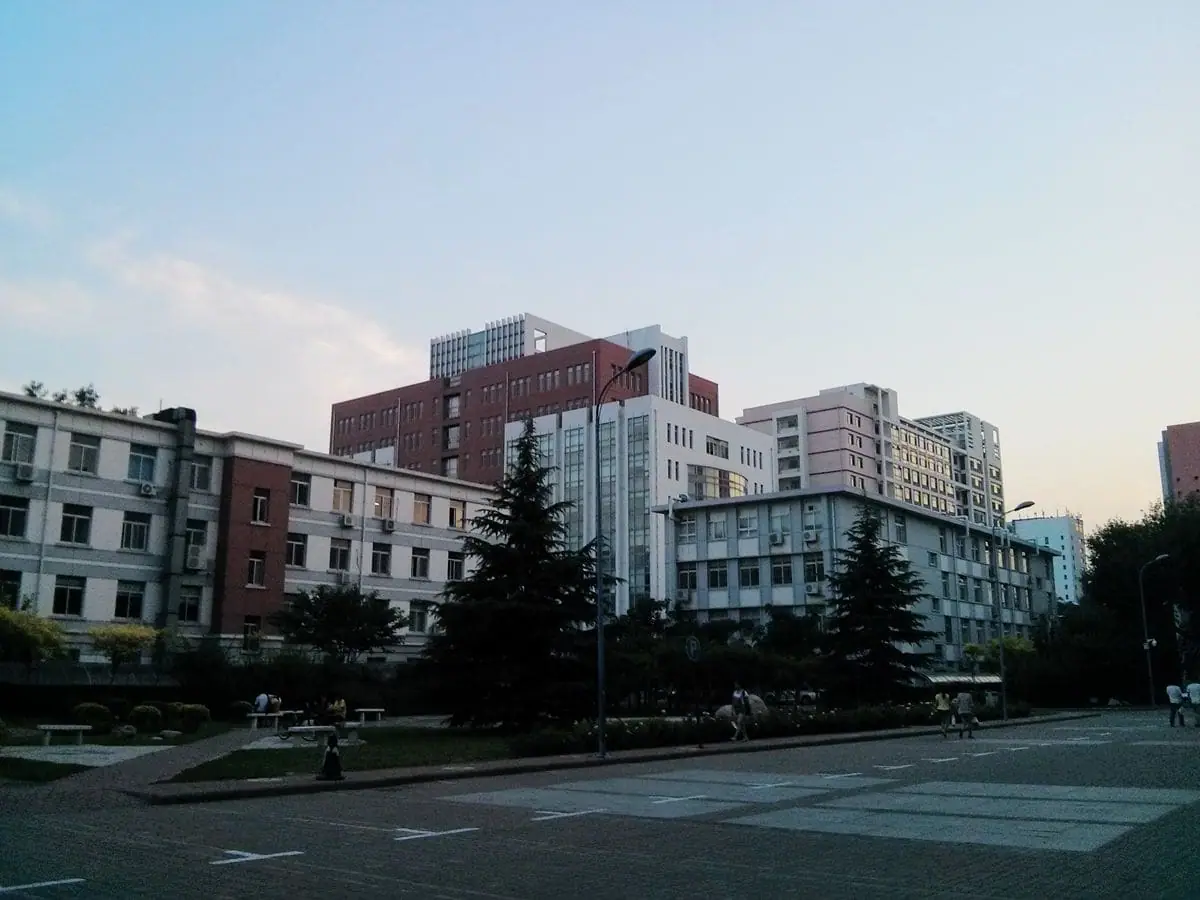
China — photograph of the country, not of a specific campus
Total course cost fromOn request
Course duration6 Years (5 + 1)
Monthly livingOn request — confirmed per university
ClimateVaries by city — subtropical in the south, temperate monsoon in the north
LanguageEnglish medium; Mandarin taught for clinical practice
Overview
Why Indian students choose China
China is our infrastructure and technology band. Its medical universities operate at a scale and level of investment few other destinations in this price range can match — advanced simulation laboratories, large internationally affiliated hospitals and a serious research ecosystem.
Five universities make up the lineup: Nanjing Medical, Southern Medical in Guangzhou, Chongqing Medical, Tianjin Medical and Capital Medical in Beijing. Each runs a six-year English-medium MBBS — five academic years plus a one-year internship — with a September intake.
The affiliated hospital networks are the clinical case: 30+ teaching hospitals at Nanjing and Capital Medical, 20+ at the other three. All five sit in major cities with modern transport and direct international connectivity.
China runs a single September intake, and admission is coordinated centrally — the university issues an admission letter and a JW202 form, which together support the X1 student visa. That timetable is fixed, so a missed cycle means a full year's wait, and we plan China applications earlier than any other destination in the portfolio.
The degree is taught entirely in English, with Mandarin taught alongside it because clinical rotations put you in front of Chinese-speaking patients from the later years onwards. Students who treat the language component seriously get substantially more out of the hospital time these universities are chosen for.
Innovation. Technology. Future.
China · On request — confirmed per university · Varies by city — subtropical in the south, temperate monsoon in the north
Advantages
What China gives you
Innovation. Technology. Future.
Advanced technology & modern facilities
World-class campuses with advanced simulation laboratories — infrastructure on a scale that is genuinely difficult to match elsewhere at this cost.
High global ranking universities
Several Chinese medical universities appear in international rankings, with the research output and funding that go with that.
Great clinical training in top hospitals
Internationally affiliated teaching hospitals with very high patient volumes and modern diagnostic technology.
Safe environment with global exposure
Secure campuses in major smart cities, with international student communities and strong connectivity.
Bright future career opportunities
A degree from a globally recognised institution, in an environment oriented towards international careers.
English-medium MBBS
Taught entirely in English, with Mandarin alongside for clinical communication during hospital rotations.
Depth of hospital network
Twenty to thirty affiliated teaching hospitals per university is not a rounding difference — it is what determines how many specialities you rotate through and how much you actually see.
Research from undergraduate level
These are research universities first. Students who want to publish, join a laboratory or move onto an academic track have that available during the degree rather than after it.
Indian food, Indian seniors, and a hostel that expects you.
Living cost in China: On request — confirmed per university
Life in China
What living in China is actually like
Food, safety, weather, money and getting around — the questions families ask on the first call, answered before you have to ask them.
Campus accommodation
International students are housed in university residences on or adjacent to campus, typically twin sharing, with air conditioning, heating, internet and laundry. These are large, modern campuses and the residential facilities reflect that.
Food
Campus canteens run multiple counters including halal and vegetarian options, and all five cities have Indian restaurants. Self-catering is common from the later years. Food is one of the bigger adjustments in China, and it is worth being realistic about that.
Safety
The five cities in our lineup are among the most secure large cities anywhere, with extensive public transport, low street crime and campuses that run controlled access. Students move around freely.
Getting around
Every city in the lineup has a metro system, high-speed rail connections and a major international airport. Intercity travel is fast and cheap, and none of these campuses require a car.
Climate
China spans several climates. Guangzhou is subtropical and humid year-round; Beijing and Tianjin have hot summers and genuinely cold, dry winters; Nanjing and Chongqing sit in between with humid summers. Choose with the weather in mind — you will live in it for six years.
Language
Your coursework is in English throughout. Mandarin is taught alongside it and it is not optional in practice — clinical rotations mean taking histories from Chinese-speaking patients, and your usefulness on the ward depends on it.
Clinical exposure
The affiliated hospital networks are the reason to choose China. Patient volumes at these teaching hospitals are very high and the diagnostic technology is current, which means the later years put you in front of case variety that is hard to match.
Cost of living
Costs vary substantially between Beijing and the other four cities. Because our current China comparison sheet publishes no fee or living figures, we confirm these per university in writing rather than printing an estimate.
Where You Would Live
The cities you would choose between
Campus is where you study. The city is where you spend the other six years.
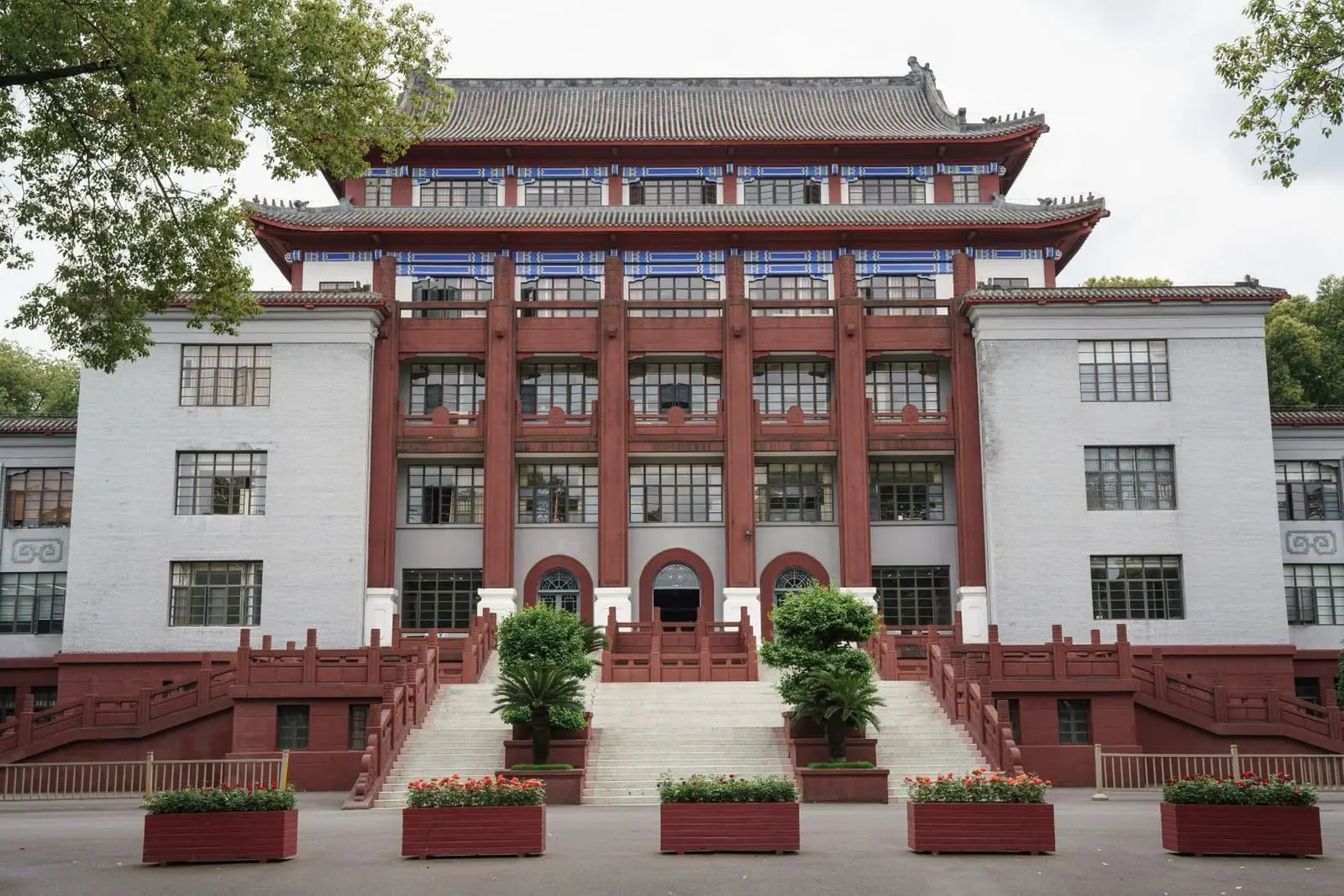
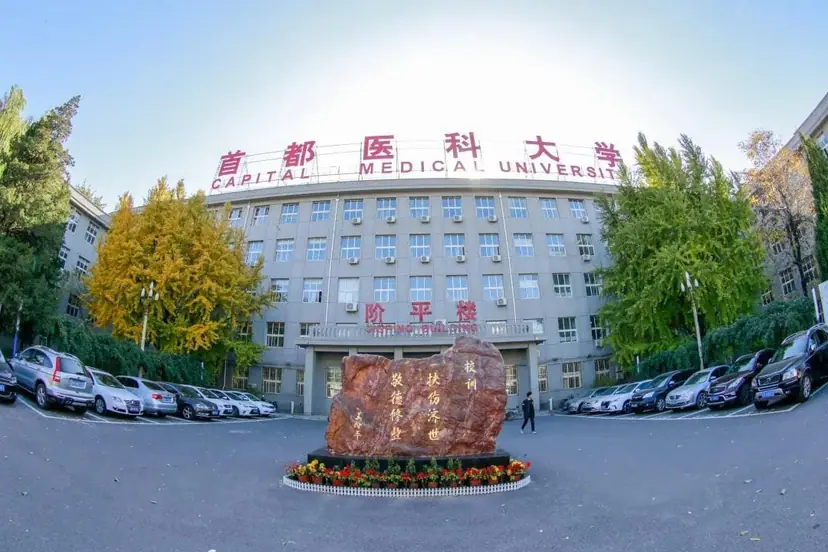
Capital Medical University
Beijing
The capital, and the centre of Chinese medical research and policy. Capital Medical University carries one of the largest affiliated hospital networks in the country. Winters are cold and dry, summers hot, and the transport system is among the best anywhere.
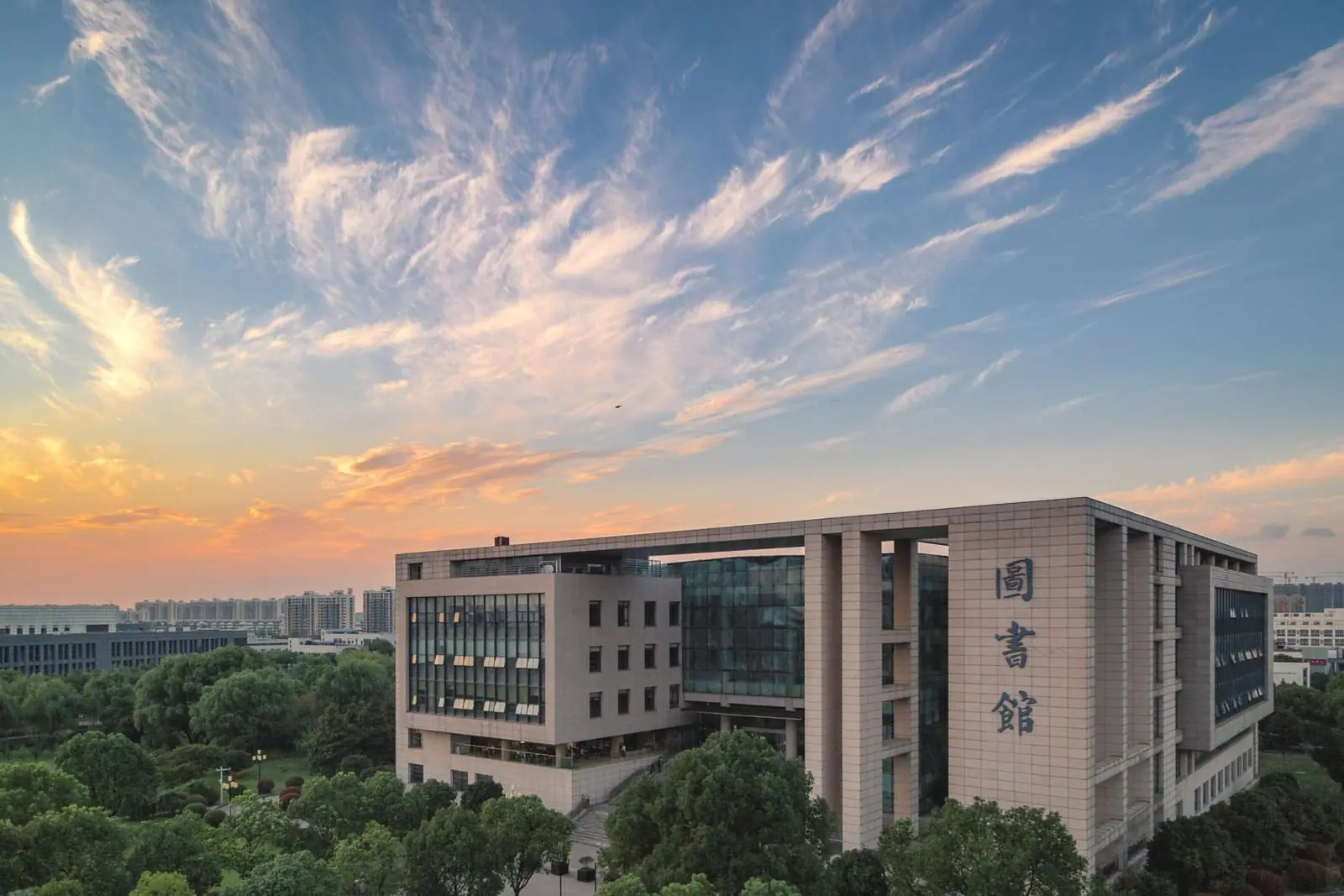
Nanjing Medical University
Nanjing
A historic city on the Yangtze in Jiangsu province, and a major academic centre with a large affiliated teaching hospital network. Humid summers, cool winters, and an established international student presence.
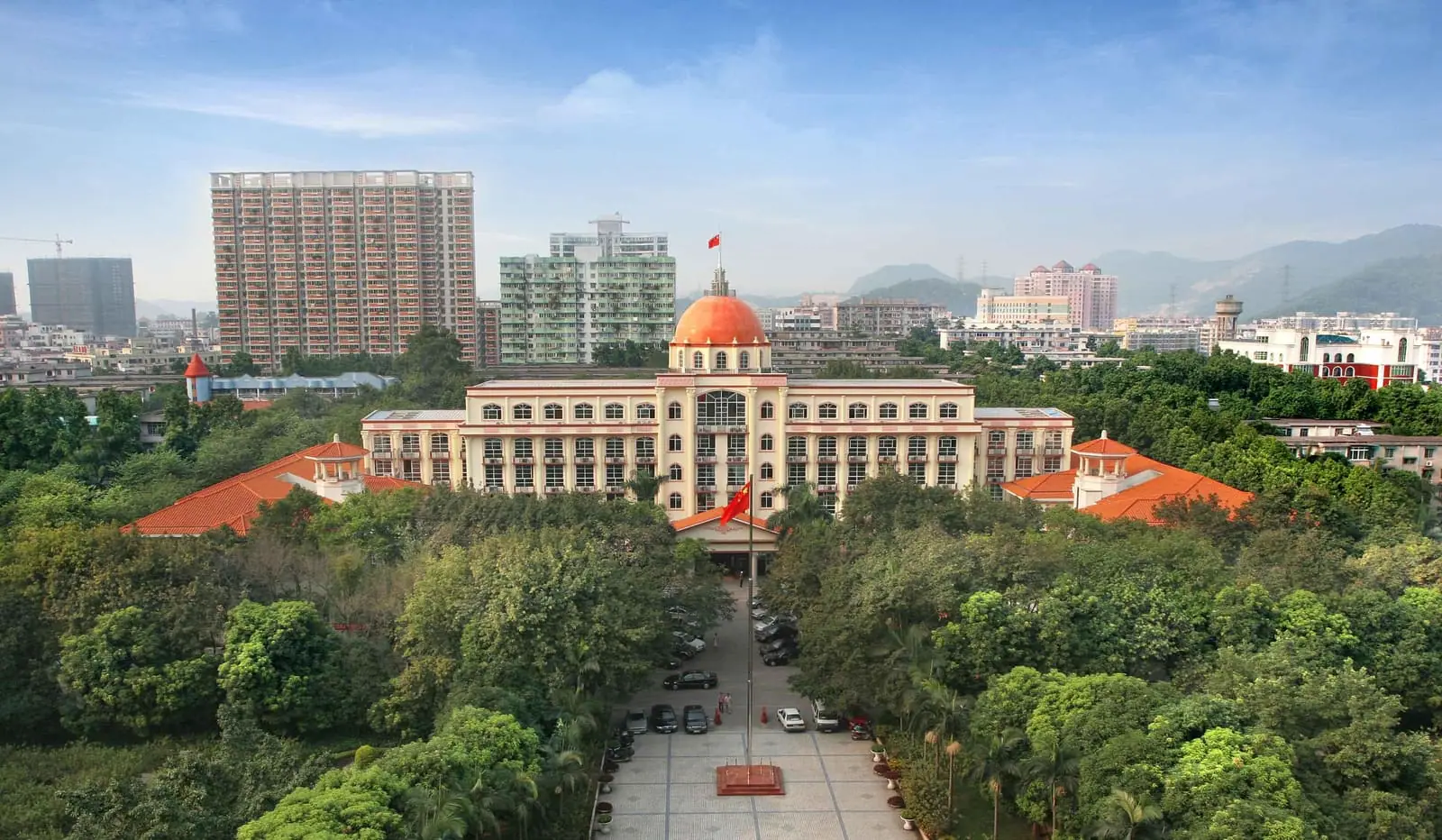
Southern Medical University
Guangzhou
The southern commercial capital, subtropical and warm through most of the year — by some distance the mildest winter in our Chinese lineup. Strong direct connectivity to India and a large expatriate population.
Tianjin Medical University
Tianjin
A major port city half an hour from Beijing by high-speed rail, with a long history of international medical education. A similar climate to the capital at a noticeably lower cost of living.
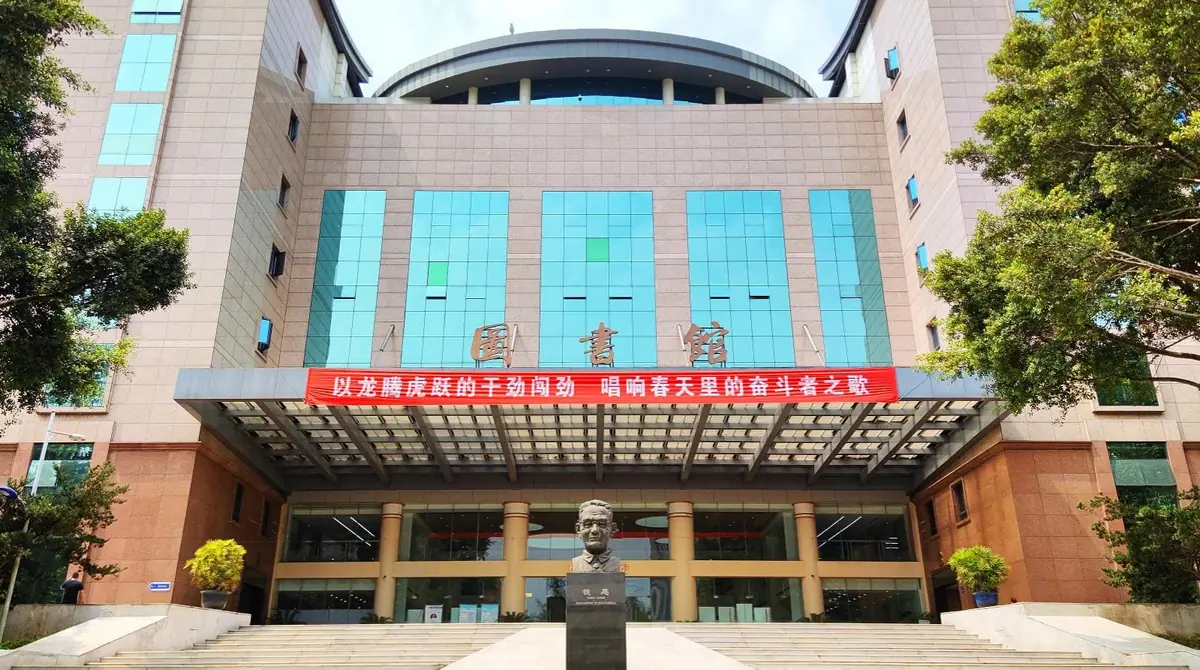
Chongqing Medical University
Chongqing
One of the largest municipalities in the world, in the mountainous southwest on the Yangtze. Humid subtropical, famous for its food, and with a substantial hospital network attached to the university.
Partner Universities
Our 5 universities in China
Every figure below is taken directly from our official Admission Portfolio for 2026-27.
Invitation, visa, tickets, airport pickup and registration — in that order
Admission Process
Getting to China, step by step
Six to eight weeks from your first call to boarding the flight.
Step 1
Talk to an Expert
A free, no-obligation counselling session with a doctor-led advisor. We assess your NEET score, budget and goals honestly — including telling you if going abroad is the wrong call for you.
Step 2
Pick the Right University
You receive a personalized shortlist with a full side-by-side comparison of fees, duration, intake, FMGE outcomes, climate and safety. You choose; we advise.
Step 3
We Handle All the Paperwork
Application, invitation letter, admission letter, apostille, attestation, translation and the complete visa file — prepared, checked and submitted by our team.
Step 4
Your Seat is Confirmed
Fees paid through official university channels only, seat confirmed in writing, travel booked and a full pre-departure briefing delivered to you and your parents together.
Step 5
You Land — And We Are Still There
Airport pickup, hostel allotment, university registration, residence permit and a 24×7 line that stays open for the entire six years of your degree.
Eligibility
Do you qualify for China?
Academic qualification
Class 12 with Physics, Chemistry and Biology
Minimum marks
50% in PCB for General category; 40% for SC, ST and OBC
NEET
Mandatory — a qualifying percentile is enough, no rank required
Age
17 years or older on the date of admission
IELTS / TOEFL
Not required at any university in our portfolio
Passport
Valid passport needed before the application is filed
Clear FMGE or NExT, register with your state medical council and practise in India, with the full domestic PG route available.
International licensing
Graduates of WHO-listed Chinese medical universities can pursue ECFMG certification and USMLE, and PLAB for the UK, each subject to the relevant body's current requirements.
Research and postgraduate study
These are research-intensive universities with funded laboratories and international academic partnerships. Graduates who want a research or academic track have a genuine route into it.
Careers with an international orientation
Studying in a major global city with a large international cohort tends to open doors beyond a single country's health system — something graduates of this group make regular use of.
We would rather talk you out of it than place you badly.
The honest case against, on the same page as the case for
Read This Before You Decide
What to weigh honestly about China
Every destination has trade-offs. We publish ours, because the families who hear them at the start are the ones who do not get a surprise in year three.
One intake a year
China runs a single September cycle. There is no February fallback, so a missed deadline costs a full year. We start China applications earlier than any other destination for exactly this reason.
Mandarin matters more than students expect
The coursework is English throughout, but clinical rotations are with Chinese-speaking patients. Students who deprioritise the language classes get materially less out of the hospital years — which are the whole reason to choose China.
Fees are confirmed per university, not published
Our China comparison sheet prints the tuition, hostel, living and total rows blank. We will not fill those in with an estimate. You get the actual figures for a specific university in writing during counselling.
It is the furthest destination in the portfolio
Flight time and cost from India are higher than for Georgia or Central Asia, which affects how often families visit across six years. Worth planning for honestly at the outset.
FMGE or NExT is mandatory
As with every destination, a Chinese MBBS qualifies you to sit the Indian licensing exam rather than to skip it. Build the preparation in from the early years.
Regulatory note for Indian students
NMC eligibility is stated as per the latest available regulations. Students must verify a university's current NMC status before taking admission — we confirm this in writing during counselling.
Eligibility to sit FMGE or NExT, and to register and practise in India, is determined by the National Medical Commission’s regulations as they stand when you take admission and when you graduate — not by anything stated on this page. Always check the current position at nmc.org.in. We confirm it in writing for your specific university before any payment is made, and we do not guarantee recognition, examination results, licensure or an internship placement — those are not ours to give.
The degree is halfway. Registration in India is the finish.
FMGE and NExT preparation planned from the third year, not the sixth
Questions & Answers
MBBS in China — common questions
Earlier than for anywhere else in the portfolio. China runs a single September intake with no February fallback, so a missed deadline costs a full year. We start China applications well ahead of the other destinations for exactly this reason.
Tell us your NEET score and budget. We will confirm which China universities you are eligible for, what the complete cost looks like, and what happens next — in one honest call.